Beethoven’s Fifth: An O-SO Wonderful Season Finale
by Lyndsey Wong
As published in Kelowna Capital News
On Saturday, May 9th, the Okanagan Symphony Orchestra brought us one of the most (nay, perhaps the most) well-known and cherished symphonies: Beethoven’s Symphony No. 5. As I sat there on that Saturday afternoon, I faced the bizarre realization that this was only to be my first time experiencing it live. Needless to say, expectations were high.
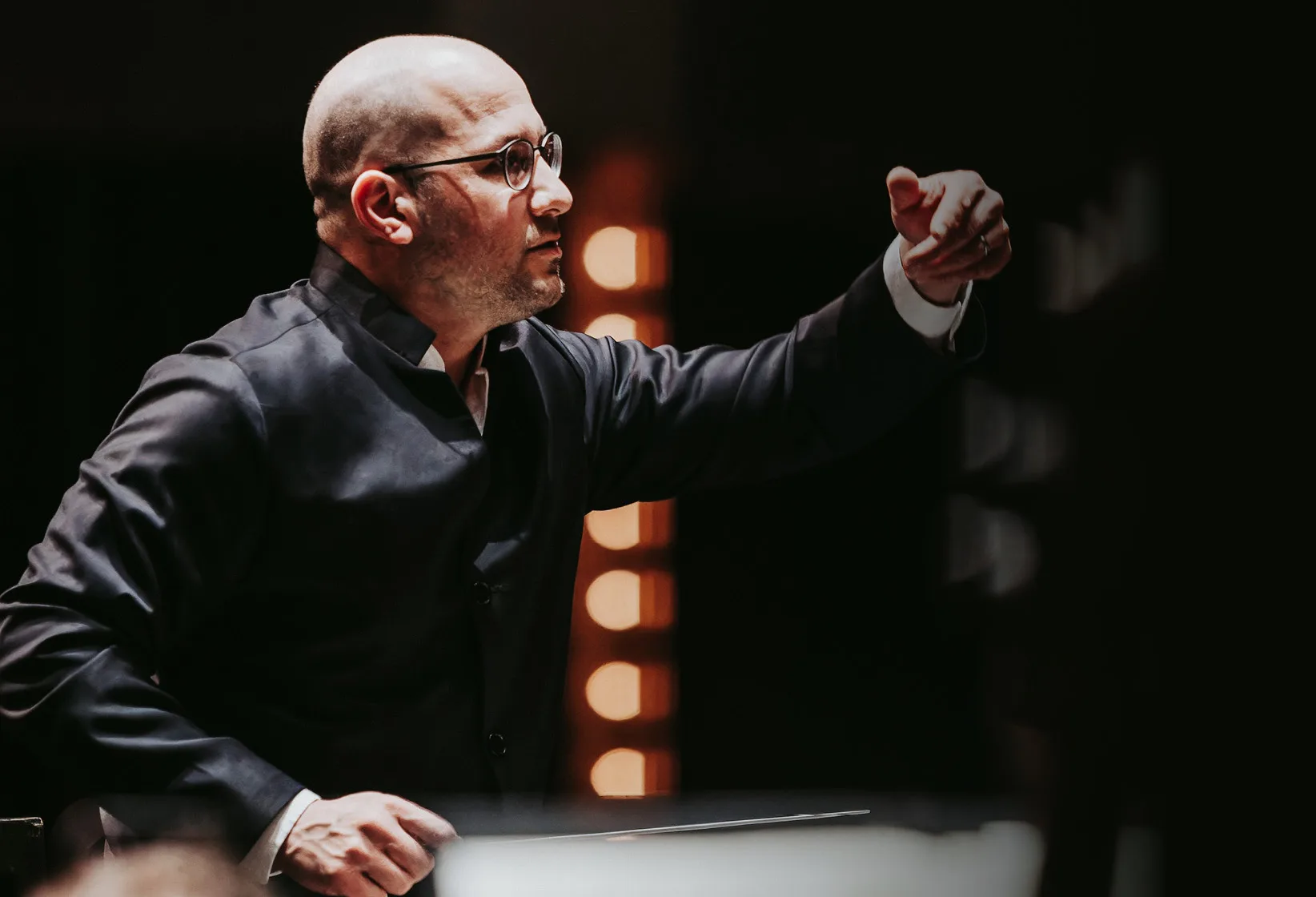
This was my first time seeing Music Director and Conductor Julian Pellicano in action, who I understand also serves as conductor for the National Ballet of Canada and was formerly the music director for the Royal Winnipeg Ballet. A graduate of Philosophy from The Johns Hopkins University, he easily and eloquently spoke about Beethoven’s Fifth: the themes of desperation, hope and victory, and how they reflect our own struggles as individuals. Its debut concert (which was four hours long) was featured alongside choral works, so it only seemed fitting that today’s too, should be paired with a choir.
It has long been said that the violin is the closest-sounding instrument to the human voice, due in part to its ability to mimic our pitch and phrasing. Despite it being my first instrument, never before had I found this to be a truer statement than when Dr. Terry Pritt-Brooke led the Okanagan Symphony Chorus through Norwegian composer Ola Gjeilo’s “Sunrise Mass”, accompanied by the OSO. From the first note, the choir blended so seamlessly with the string section that my brain needed a moment to figure out what I was hearing. The vocal harmonies were so well-balanced and use of dynamics so effective that at times throughout the first movement (“The Spheres”), I struggled to discern what was human and what was string. I’m not sure what ratio of thanks to give to the choir, orchestra and sound techs, but I had to stop myself from applauding after the first phrase.
The second movement started light and airy, and even before seeing the program I turned to my companion and said, “this sounds like a whole lotta birds”. As it turned out, this movement was aptly called “Sunrise”, the latter half of which we decided came straight out of a Jane Austen novel. The third and fourth movements (“The City” and “Identity & The Ground”) felt much less ethereal, heightening my awareness of its Latin Mass text and the composer’s love of film scores.
Then, after intermission: those iconic first four notes. The first movement brought us that famous “Fate” theme, and throughout that movement, I revelled in everything from the gorgeous oboe solo to the intense string crescendos. The strings and reeds were showcased in the slower second movement, where they truly shone. The balance of the two sections was impressive to say the least, and I found myself moved by many a soaring swell. The third movement spotlighted the deftness of the double bassists and cellists, and led by their conductor, sounded as if they were all one. The fourth and final movement brought a new wave of energy, thanks in part to the trombones. For a split second I wondered if the orchestra would be able to stay together during the accelerando at the end, but they did — under the guidance of their fearless leader — with a clean and satisfying flourish. Mr. Pellicano then comically wiped his brow and although he had shown no sign of stress nor uncertainty, I think we all could appreciate what a huge undertaking that was, and how beautifully it was executed.
The only things that poked out to me were during Beethoven’s Fifth, which one could chalk up to acoustics and personal preference. A few times throughout, I found myself wishing for a little more weight and “oomph” on the low end — not an uncommon debate regarding this standard orchestration when it is performed anywhere. While the woodwinds and strings left nothing to be desired, I found the timpani somewhat drowned out at times, and had a hard time hearing the horns amidst the trumpets. Horns, woodwinds, strings? I could hear each section clearly, being delicately balanced — with little to no effort on my part. Add the other brass? The warm, comforting nature of the horns (which was utterly gorgeous when not overshadowed), and the steady, low presence of the timpani seemed to get lost in the bright and “brassy” voice of the trumpet. Apparently, this is a common topic since modern trumpets tend to cut through more than earlier ones did (such as the ones that would have been used when this was composed). This is neither a unique and targeted criticism, nor does it take away from how dazzling I found this performance to be.
I must say, seeing the lineup for next season truly piqued my interest. Harp, Handel and chocolate tastings. Jazz legend Wynton Marsalis’s Tuba Concerto performed by Chris Lee, who originally played it at the Canadian premiere. Local vocal powerhouse Leila Naderi with folk duo Freya. Twelve-year-old piano prodigy Angela Yixuan Miao. The Four Seasons Re-Composed. I thoroughly enjoyed this season finale, and can’t wait to be back for more.
Lyndsey Wong, M.D. was trained as a coloratura soprano at the University of Alberta (Bachelor of Science, Minor in Classical Voice). She received First Class Honors with Distinction on her ARCT Piano Performance exam many moons ago, but now considers nailing “Chopsticks” a success some days. Currently, she is primarily a Film and TV actor, but very much enjoys any chance to work as a singer, music director / vocal coach, accompanist, band member, dancer or musical theatre performer.